Eurasian Harm Reduction Network - EHRN Overdose Awareness Day: Community organizations call for wider availability of naloxone to prevent thousands of unnecessary deaths
Overdose Awareness Day: Community organizations call for wider availability of naloxone to prevent thousands of unnecessary deaths
August 31, 2010

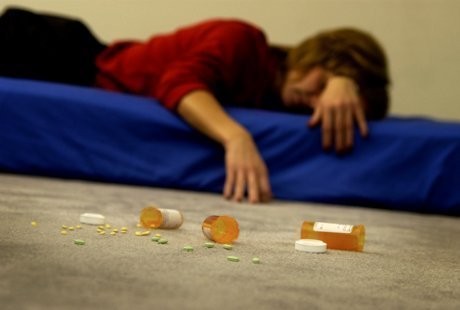
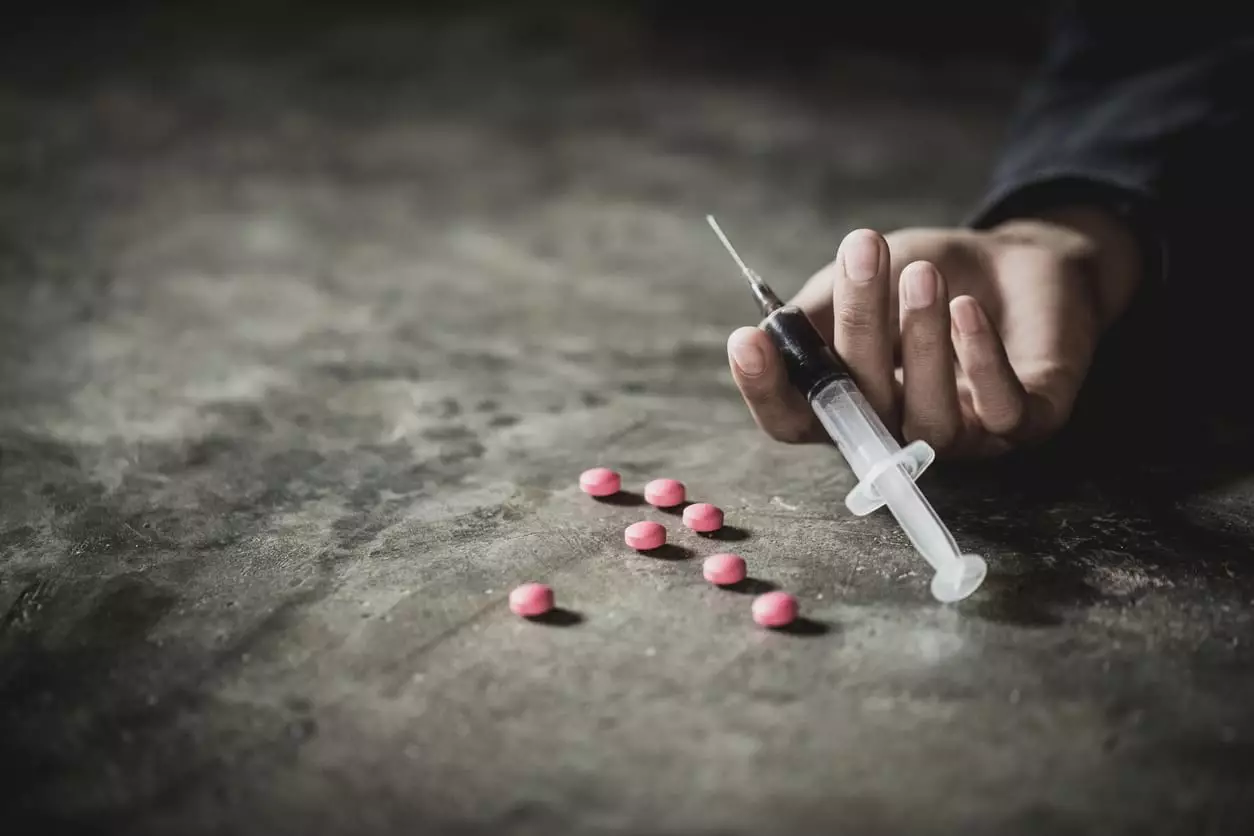
Each year thousands of people in Europe and Central Asia lose their lives to drug overdose. The direct provision of naloxone, a safe and highly effective opioid overdose antidote, to people who use drugs could effectively prevent thousands of unnecessary deaths.


On International Overdose Day, community based organizations call upon the World Health Organization (WHO) and the United Nations Organization on Drugs and Crime (UNODC) to include naloxone in their guidelines and call upon public health authorities to quickly scale up naloxone programmes.


Overdose is a major public health concern. In many countries it is a leading cause of death, taking nearly as many lives as car accidents. Since 1995, overdose has claimed between 6300 and 8200 lives in the European Union each year. In the countries to the east of the EU, though less data is available, the situation is likely worse due to higher rates of opiate injecting and lower levels of access to services. In Russia alone, over 9000  overdose-related deaths are registered each year. The real numbers of deaths are thought to be much higher than the officially registered cases.


Naloxone, an inexpensive, safe, non-narcotic and highly effective medication with no potential for abuse  reverses opiod overdose within 1 – 5 minutes after administration. Naloxone is included in the World Health Organizations Model List of Essential Medicines and is often available in hospitals and emergency services. Some innovative programs have been distributing naloxone directly to people who use drugs, their friends and family members and training them how to use it. Research has shown that with appropriate training, people who use drugs are as skilled as medical providers in recognizing overdose and assessing when naloxone is indicated for use. 

Naloxone-based overdose prevention programs began in the UK, Germany, and the United States in the mid-1990s, and are now practices in more than 15 countries with striking results. A program in Chicago for example coincided with a 30% decrease in overdose death within 3 years of the start of the program   and similar results have been documented in other cities. 

Momentum is growing: In Europe, just last week the Scottish government announced that it would scale up naloxone programming nation-wide. Programs have been successfully piloted in countries throughout Europe and Central Asia including Italy, Portugal, Tajikistan, Kazakhstan, Russia, Ukraine, the UK, Georgia, Germany and Spain. 

Throughout the world, harm reduction programs, many initially set up to prevent HIV transmission, are also distributing naloxone directly to drug users as part of their basic package of services. Overdose is often a leading cause of death among people living with HIV who use opiates, as has been documented in the United States, Russia and elsewhere. The Global Fund to fight AIDS, TB and Malaria recently issued a statement  that it would fund naloxone programming as did the US Presidents Emergency Plan for AIDS Relief (PEPFAR) . “Given that overdose is a leading cause of death of people living with HIV who use drugs, we must advocate for overdose programming as part of a comprehensive HIV prevention, treatment, care and support package”, said Anna Zakowicz of the European AIDS Treatment Group (EATG). As highlighted in the recent publication, “Why overdose matters for HIV,” by the Eurasian Harm Reduction Network (EHRN) and the Open Society Institute (OSI), distribution of naloxone enhances HIV programs, attracting more people to services and empowering communities.


There are still many barriers to the scale-up of naloxone distribution programs: although naloxone is neither a narcotic nor a controlled substance, prescriptions are still required in many countries and the approach is not included in key WHO or UNODC guidelines. Community-based organizations led by EHRN and the EATG urge UN agencies and national authorities to urgently introduce and scale up low threshold naloxone distribution programs. “This is one of those rare moments in public health when a relatively cheap, simple intervention can save thousands of lives. I hope that in a few years distributing naloxone to drug users will be common practice,” stresses Shona Schonning, Programme Director at EHRN.


Links:


Why Overdose Matters for HIV, EHRN and OSI 2010
In English: http://www.harm-reduction.org/images/stories/library/why_overdose_prevention_matters_for_hiv.pdf
In Russian: http://www.harm-reduction.org/ru/images/stories/library/od_hiv_ru.pdf


EMCDDA Statistical Bullletin on Drug Related Deaths and Mortality, July 2010
In English: http://www.emcdda.europa.eu/stats10/drd


Overdose: A Major Cause of Preventable Death in Central and Eastern Europe in Central Asia. Recommendations and Overview of the Situation in Latvia, Kyrgyzstan, Romania, Russia and Tajikistan; EHRN 2008
In English: http://www.harm-reduction.org/images/stories/library/od_report_2008_en.pdf
In Russian: http://www.harm-reduction.org/images/stories/library/od_report_2008_ru.pdf


International Harm Reduction Association 50 best collection on Overdose, IHRA 2009
In English: http://www.ihra.net/Overdose


Saving Lives with Naloxone: Global Update on Overdose Programming, EHRN 2010
In English: www.harm-reduction.org/images/stories/library/overdose_awareness_day_update.pdf
In Russian: www.harm-reduction.org/images/stories/library/overdose_awareness_day_update_ru.pdf


Harm Reduction Information Note, GFATM 2010
In English: http://www.theglobalfund.org/documents/rounds/10/R10_InfoNote_HarmReduction_en.pdf

Comprehensive HIV Prevention for People Who Inject Drugs, Revised Guidance 2010, The U.S. President’s Emergency Plan for AIDS Relief (PEPFAR)
In English: http://www.pepfar.gov/documents/organization/144970.pdf

Overdose Awareness Day, Salvation Army
In English: http://www.salvationarmy.org.au/SALV/LANDING/PC_60908.html


For more information, please contact:


Ms Shona Schonning, EHRN Programme Director, +370 685 51553, This e-mail address is being protected from spambots. You need JavaScript enabled to view it (English, Russian)


Ms Anna Zakowicz, EATG Chair, +370 606 57136, This e-mail address is being protected from spambots. You need JavaScript enabled to view it (English, Russian)

Add your comment

Your name:
Your email:
Comment:
  The word for verification. Lowercase letters only with no spaces.
Word verification:
 
Harm reduction Drug policy Opioid substitution therapy
Hepatitis C Prisons HIV
Overdose Special groups Stigma & discrimination